
PREVENTION STARTS IN THE MICROBIOME
Colic remains one of the most feared and unpredictable health challenges in horses, and for good reason. It can strike suddenly, escalate rapidly, and often carries serious consequences if not addressed early and effectively. But what’s less often talked about is the gut’s central role in both the onset and resolution of colic episodes. Many of the underlying causes of colic, gas build-up, impaction, microbial imbalance or inflammation, trace back to dysfunction in the gut microbiome. This is where Vermate becomes more than a supplement; it becomes a frontline tool. By supporting microbial diversity, enhancing digestion, and reducing gut inflammation, Vermate helps maintain the kind of internal balance that keeps colic at bay.
In cases where colic does occur, animals already on Vermate often respond more quickly to treatment, with shorter recovery times. The combination of bioavailable humates and live soil-based probiotics helps stabilise the digestive tract and calm the nervous system, both of which are critical during a colic event. In many cases, particularly when the cause is gas, impaction, or even the ingestion of toxic or irritating plants, a large dose of Vermate helps resolve the issue by addressing the root causes directly. Its detoxifying and rebalancing action makes an immediate difference, often preventing escalation and reducing the need for invasive treatment.
This is why many professional yards refuse to be without Vermate. The risk is simply too high. They’ve seen firsthand how it prevents recurrent colic episodes, supports recovery, and offers peace of mind that their horses are protected from one of the most dangerous and costly health threats in the stable.
Dosage Guidelines
For Prevention
The standard maintenance dose is 15ml twice daily, added to the horse’s feed.
For Horses Prone to Colic
Administer a double dose of 30ml twice daily in feed to provide stronger gut support and reduce risk.
During Stressful Events
Before and after transport, competitions, or any known stressors, give 60ml orally to help stabilise the gut and nervous system.
During Transitions (Feed or Environment)
When changing stable yards, feed brands, or introducing other major shifts, provide a double dose (30ml twice daily) for one full month to buffer the gut and support adaptation.
In the Event of Colic
Administer 200ml via oral syringe immediately. Significant symptom relief is typically observed within 30 minutes. If symptoms persist, contact your veterinarian and administer a second 200ml dose.
Winter Use Advisory
If you start your horse on Vermate during winter—when water intake tends to drop—it’s essential to ensure adequate hydration. Vermate has a detoxifying effect, and plenty of water is needed to flush toxins from the system. Cold water can reduce a horse’s willingness to drink, so take steps to encourage intake (e.g., warming water slightly if safe to do so) to avoid dehydration-related complications.
In managing the colic conundrum, prevention is everything, and Vermate is proving itself as an essential part of that strategy.
What is Colic
Colic is a general term for abdominal pain in horses, and it can range from mild to life-threatening. It’s not a single disease but rather a collection of symptoms that indicate gastrointestinal distress. Colic is one of the most common emergencies in equine health.
Common Causes
Colic may be triggered by gas buildup in the intestines, impaction or blockage from dry feed or low water intake, twisting of the gut (torsion), sudden changes in feed or environment, worm burdens or parasite migration, ingestion of sand or toxins, or stress from travel or disrupted routines.
Symptoms to Watch For
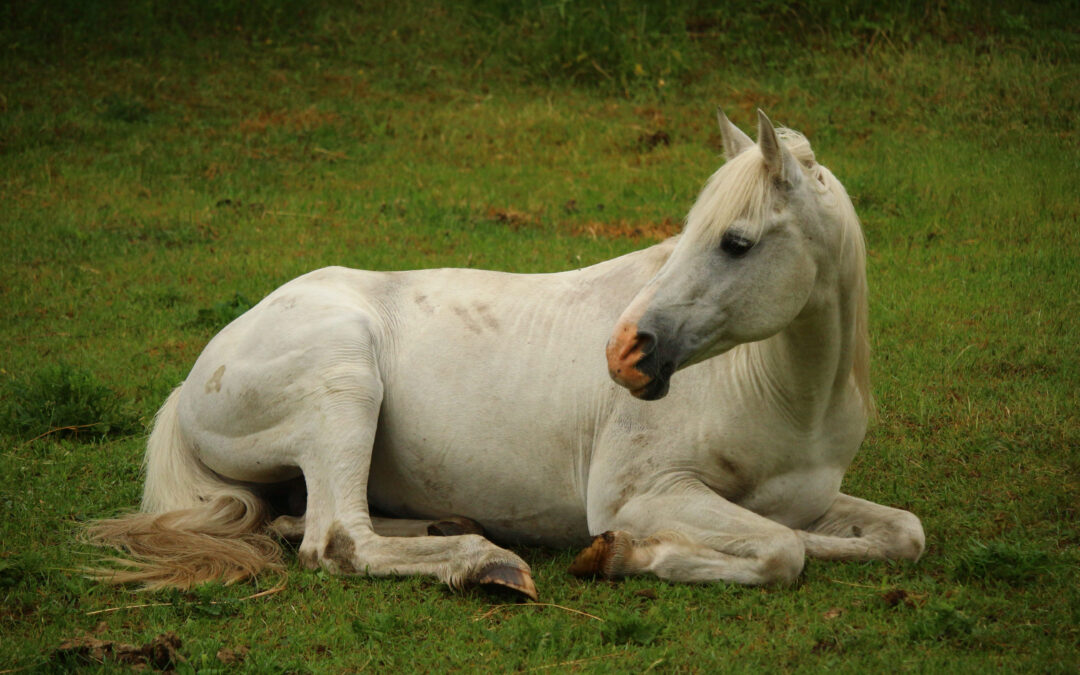
Horses may lie down and get up repeatedly, roll or kick at their belly, look at their flank, refuse feed, stop passing manure, or display signs of discomfort such as sweating, restlessness, or an elevated heart rate.
Why It’s Serious
Colic can escalate quickly. Mild gas colic may resolve on its own, but more severe forms, like a twisted intestine, can be fatal without immediate surgical intervention. Early detection and action are critical to improving outcomes.
The Role of Gut Health
Preventing colic starts with a balanced, healthy gut. Products like Vermate help support microbial diversity, digestive efficiency, and inflammation control—factors that directly reduce the risk of colic and support faster, more complete recovery when it does occur.
