
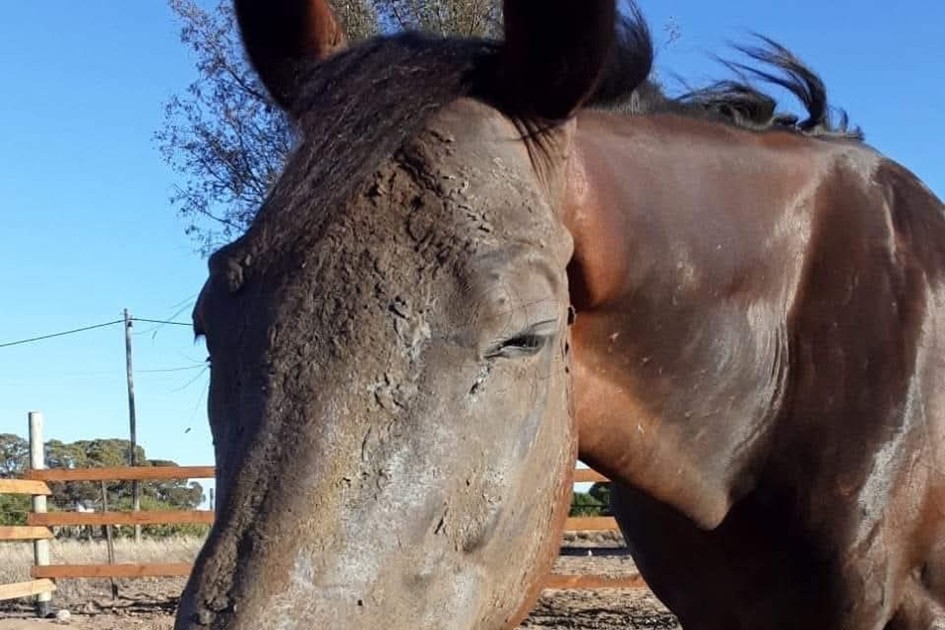
Skin irritation is one of the most common and frustrating problems seen across many animal species. From horses rubbing out their manes and tails during sweet itch season, to dogs constantly scratching, cats with irritated skin, or livestock battling seasonal skin discomfort, these conditions can become extremely uncomfortable and difficult to manage.
Itching, inflamed skin, hair loss, sores, scabs, and ongoing irritation can affect an animal’s comfort, appearance, behaviour, and overall wellbeing. In many cases, the problem becomes a cycle, irritation leads to scratching, scratching damages the skin further, and damaged skin becomes even more sensitive and inflamed.
Because skin conditions can have multiple contributing factors, lasting improvement often requires more than just treating the surface symptoms.
That is why many animal owners are turning to a more holistic approach, supporting healing both externally and internally with Vermate and Thermal Mud.
LOOKING BEYOND THE SKIN - UNDERSTANDING THE ROOT CAUSE
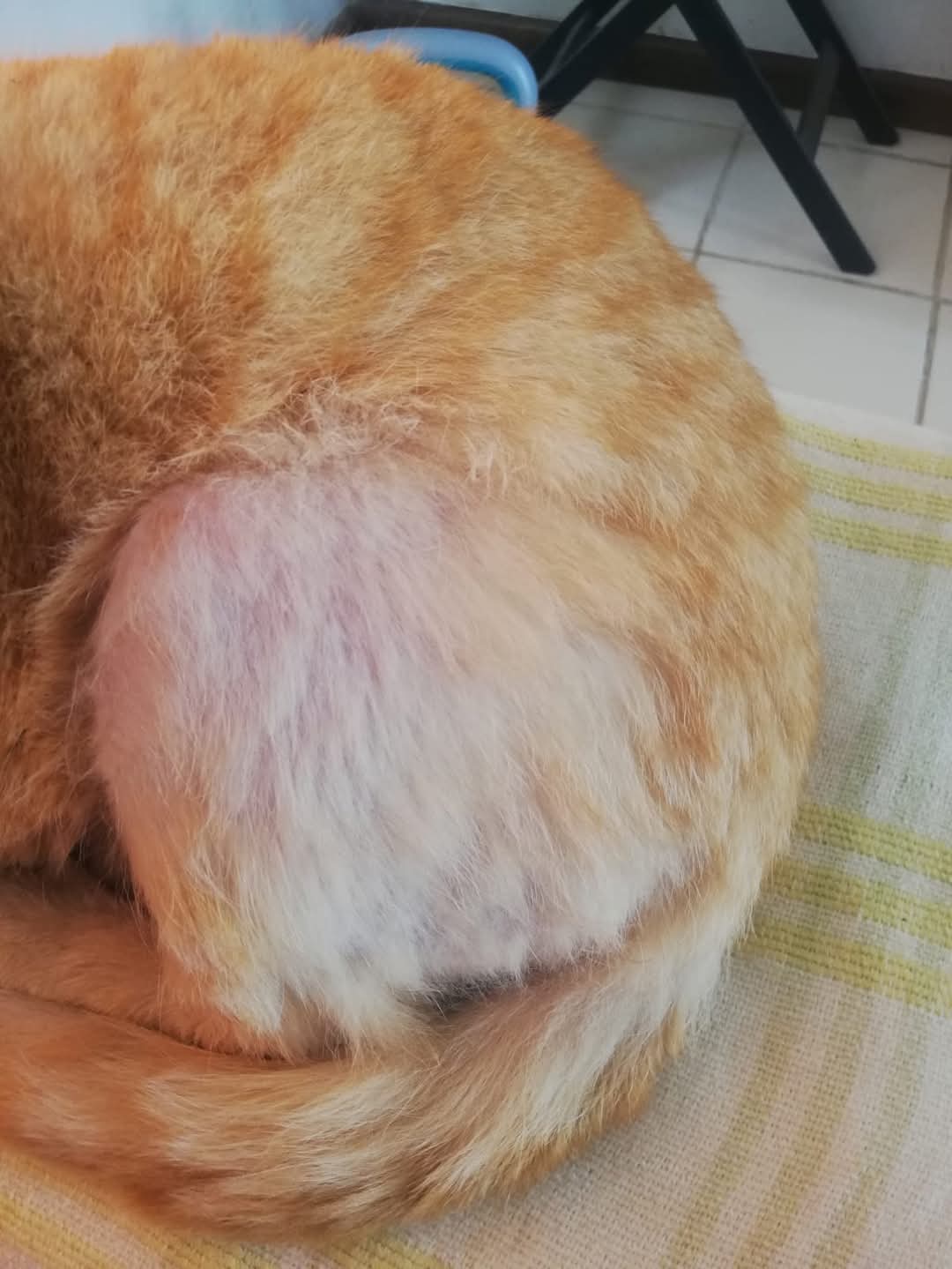
One of the most important aspects of recurring skin irritation is understanding that what appears on the outside may often begin on the inside.
In our experience, the crux of many skin allergy issues appears to be linked to parasite pressure and digestive imbalance. When parasites affect the intestinal tract, nutrient absorption can become compromised. Over time, this may place stress on the immune system and overall health of the animal.
What is struggling internally often starts showing externally through the skin.
This pattern is commonly noticed in:
- Horses
- Cattle
- Sheep
and particularly during seasonal transitions in:
- February to March
- September to October
These are also the times of year when many farmers traditionally dose animals for parasites and when skin allergy-related problems often seem to increase. Domestic animals such as dogs and cats may experience similar skin irritation problems throughout the year rather than seasonally.
Although the triggers may vary between species, the symptoms are often very similar:
-
- Itching
- Hair loss
- Inflamed skin
- Scabs and sores
- Constant scratching or rubbing
- Skin sensitivity and irritation
This is why simply treating the skin surface may not always resolve the deeper issue. Supporting gut health, detoxification, microbial balance, and the animal’s internal systems may be an important part of addressing the root cause.
SKIN IRRITATIONS CAN AFFECT MANY DIFFERENT ANIMALS
Different species experience skin irritation in different ways, but the underlying discomfort is often very similar.
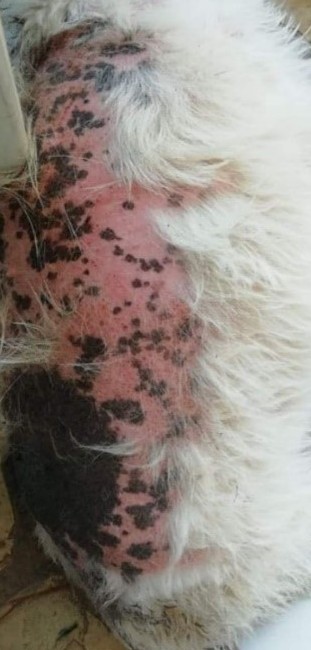
Horses and Sweet Itch
In horses, one of the best-known conditions is Sweet Itch, also called Summer Eczema. This is commonly linked to allergic reactions to biting insects such as midges.
Signs may include:
-
- Intense itching
- Tail and mane rubbing
- Hair loss
- Thickened or damaged skin
- Open sores
- Constant irritation and restlessness
The mane, tail dock, belly line, ears, and face are often affected.
Dogs and Cats
Dogs and cats can also suffer from ongoing skin irritation caused by:
-
- Flea allergy dermatitis
- Seasonal allergies
- Environmental sensitivities
- Insect bites
- Immune-related skin reactions
Common symptoms include:
-
- Constant scratching or licking
- Hot spots
- Red or inflamed skin
- Hair loss
- Scabs or sores
- Skin thickening over time
Other Animals
Skin irritation can also affect:
-
- Donkeys
- Ponies
- Cattle
- Sheep
- Goats
- Alpacas
- Poultry and pigeons, especially where mites or biting insects are involved
Environmental stress, parasite exposure, immune imbalance, poor gut health, and toxin build-up can all contribute to ongoing skin problems.
Why an “Inside and Outside” Approach Matters
Many topical products focus only on the skin surface, but chronic skin irritation often reflects deeper imbalances within the body as well. This is why combining external skin support with internal support may help improve long-term results.
Thermal Mud – External Skin Support
Thermal Mud is applied directly to irritated areas to help soothe and support damaged skin naturally.
It may assist with:
-
- Calming irritated skin
- Supporting healing
- Drying and soothing inflamed lesions
- Reducing discomfort and rubbing
- Supporting healthier skin condition
Because it can be diluted before application, it works well over larger affected areas and penetrates through the coat to the skin itself.
Vermate – Supporting Healing from Within
Vermate is included as part of the protocol to support the body internally and help address some of the underlying contributing factors that may be linked to recurring skin irritation.
It is used to help support:
• Natural detoxification
• Gut health and microbial balance
• Immune function
• Nutrient absorption
• Overall healing and recovery
Supporting the body internally is often an important part of managing recurring or chronic skin irritation naturally.
How to Use Thermal Mud for Skin Irritations
- Dilute Thermal Mud approximately 1:1 with water.
This allows the mud to absorb more easily through the coat and onto the skin. - Apply to the entire affected area.
- Leave the mud to dry.
Once dry, it can either be brushed out or rinsed off. - Repeat twice daily.
Improvement is often noticed within about 3 days, with many cases improving significantly within 10 days depending on severity. - Apply outdoors if possible.
Thermal Mud can be messy during application.
Using Vermate for Internal Support
It is recommended to include Vermate as part of the support protocol.
Suggested daily dosage depends on the animal and situation. Refer to the manual for guidance or contact us directly for support.
Vermate assists in supporting detoxification and healing from the inside out, complementing the external skin support provided by Thermal Mud.
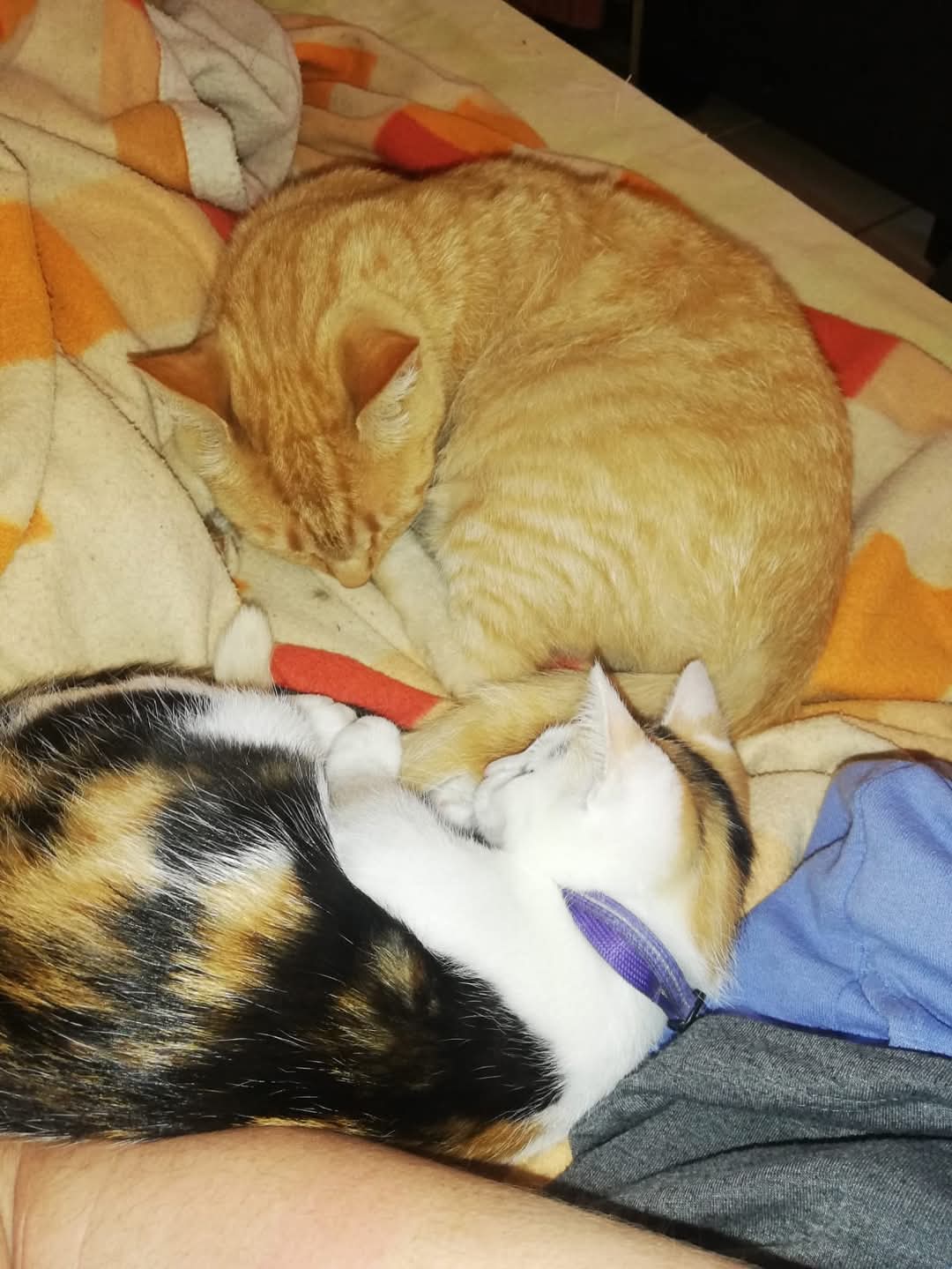
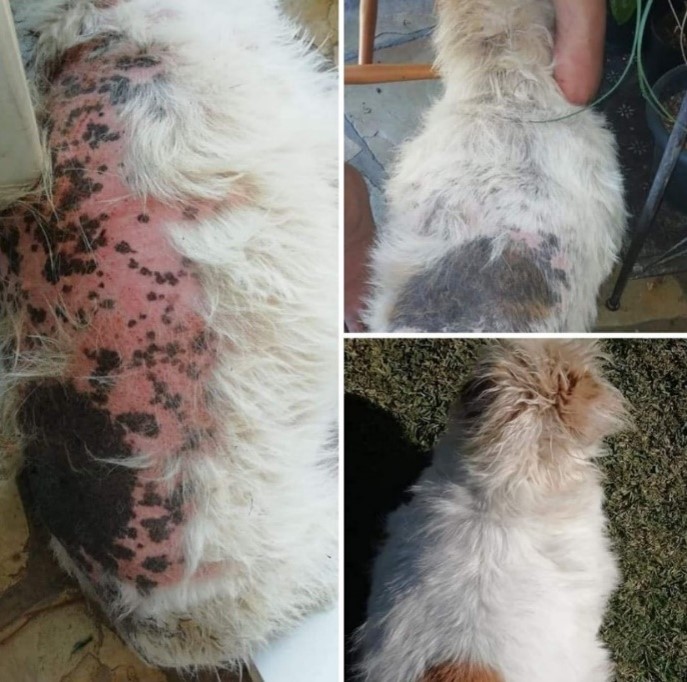
Mariachi’s Skin Condition
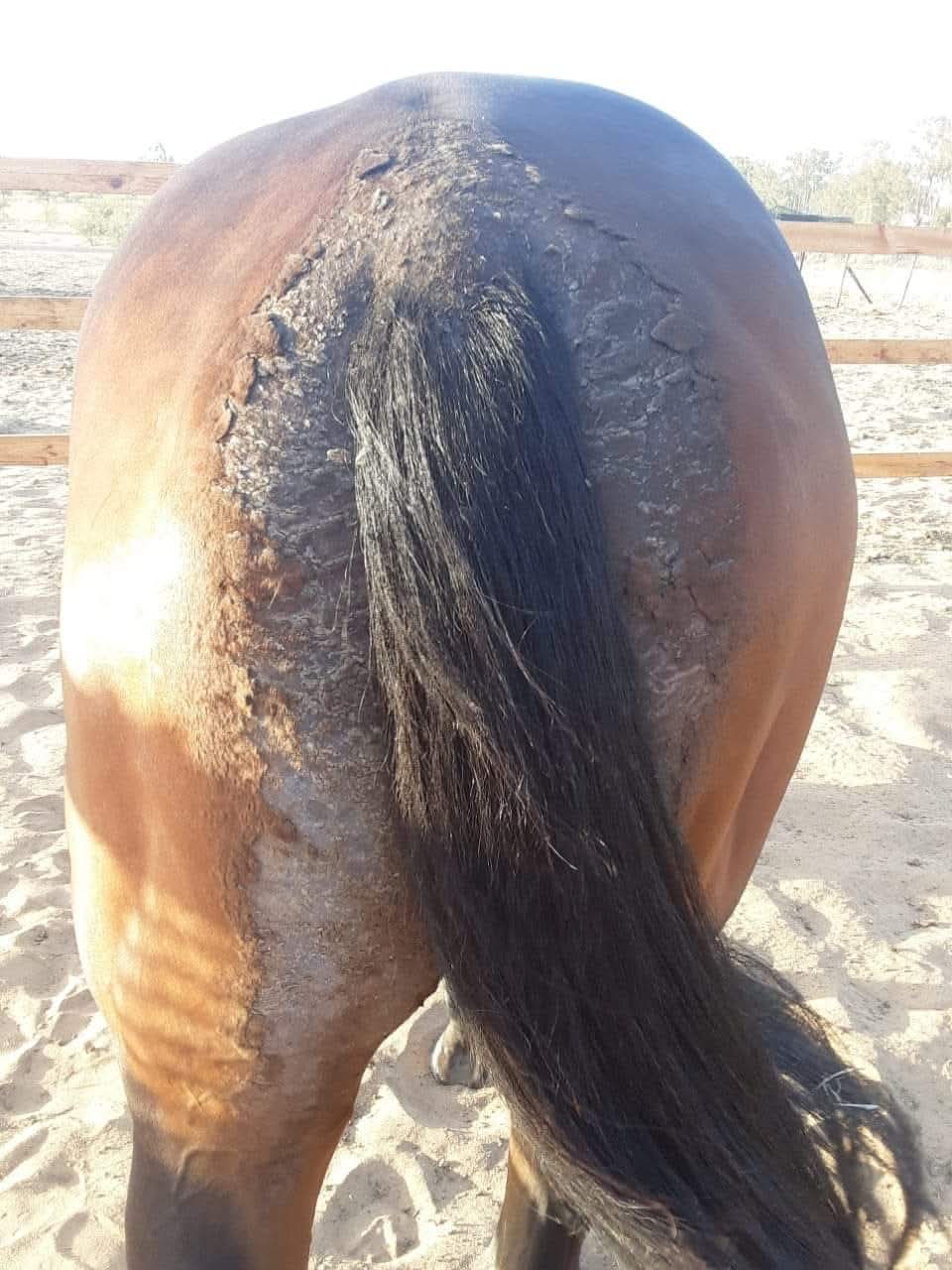
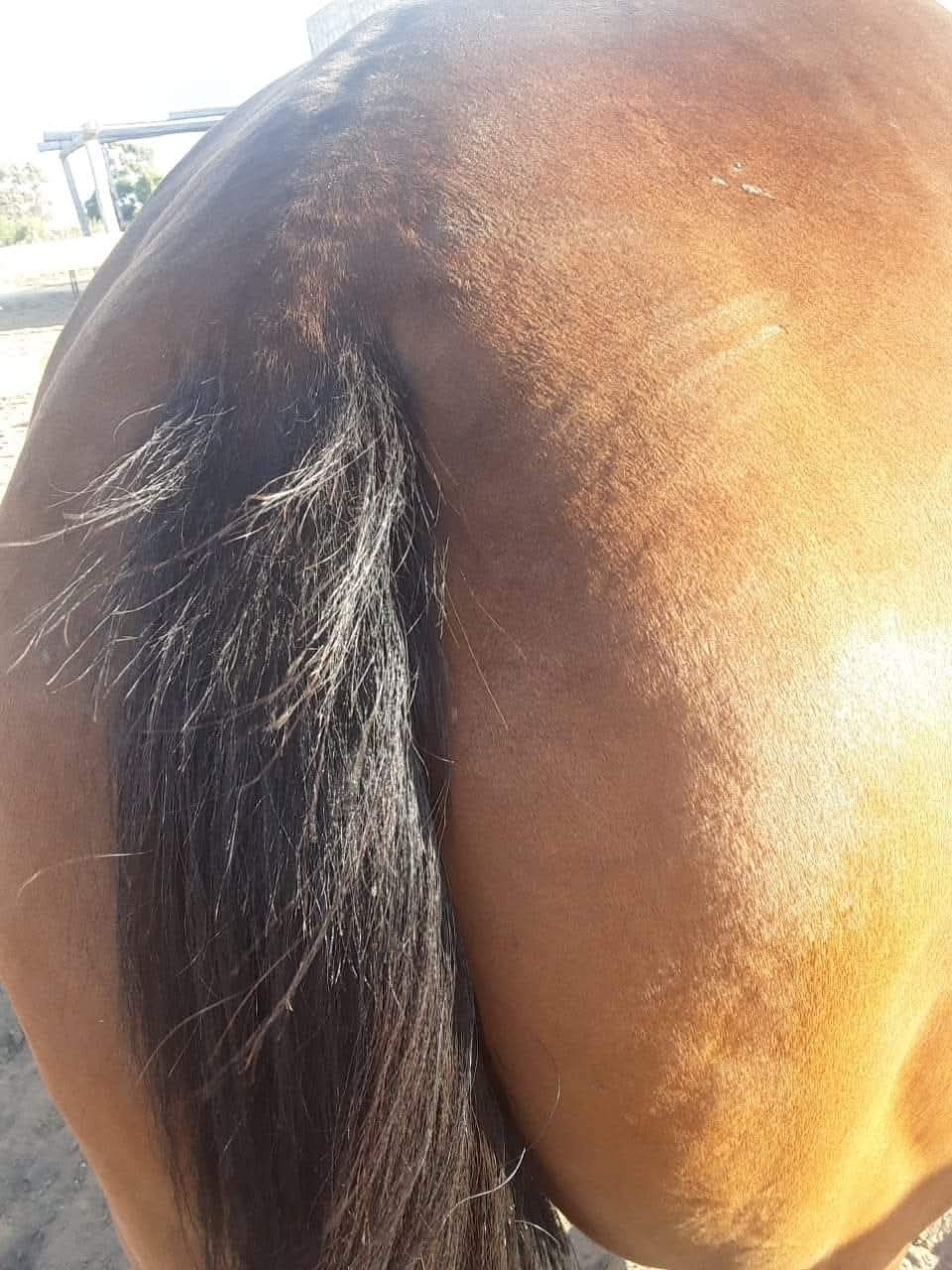
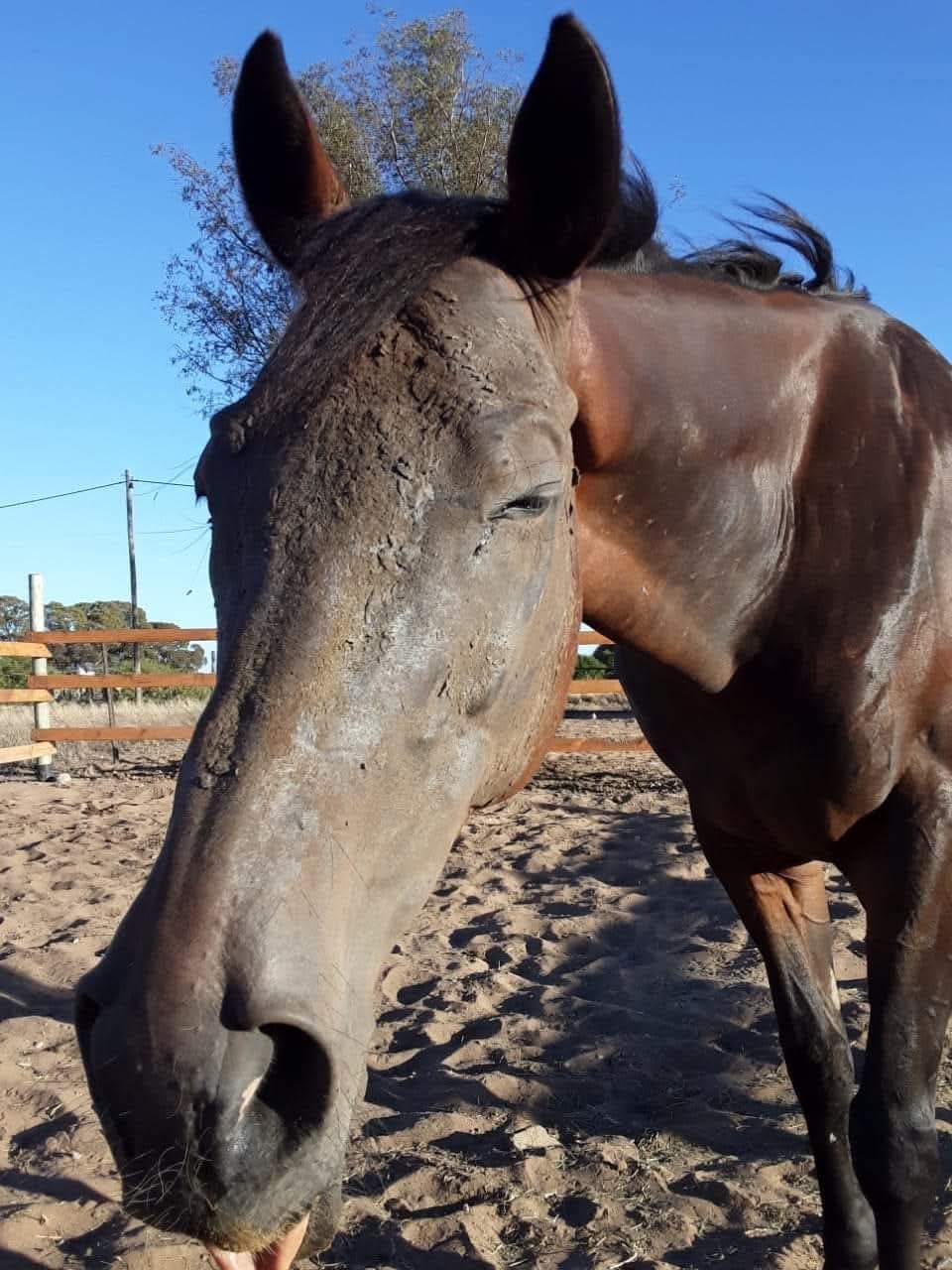
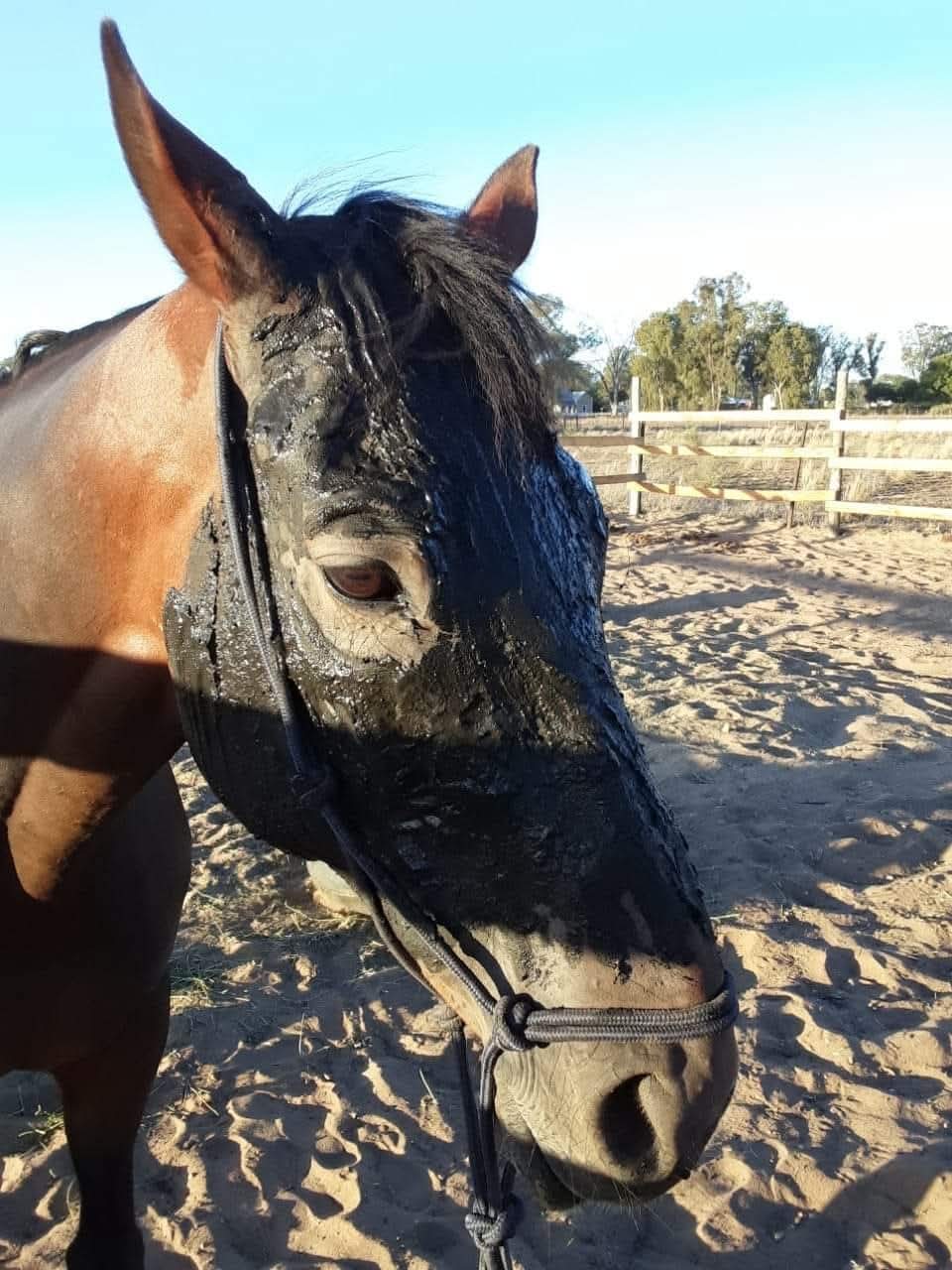
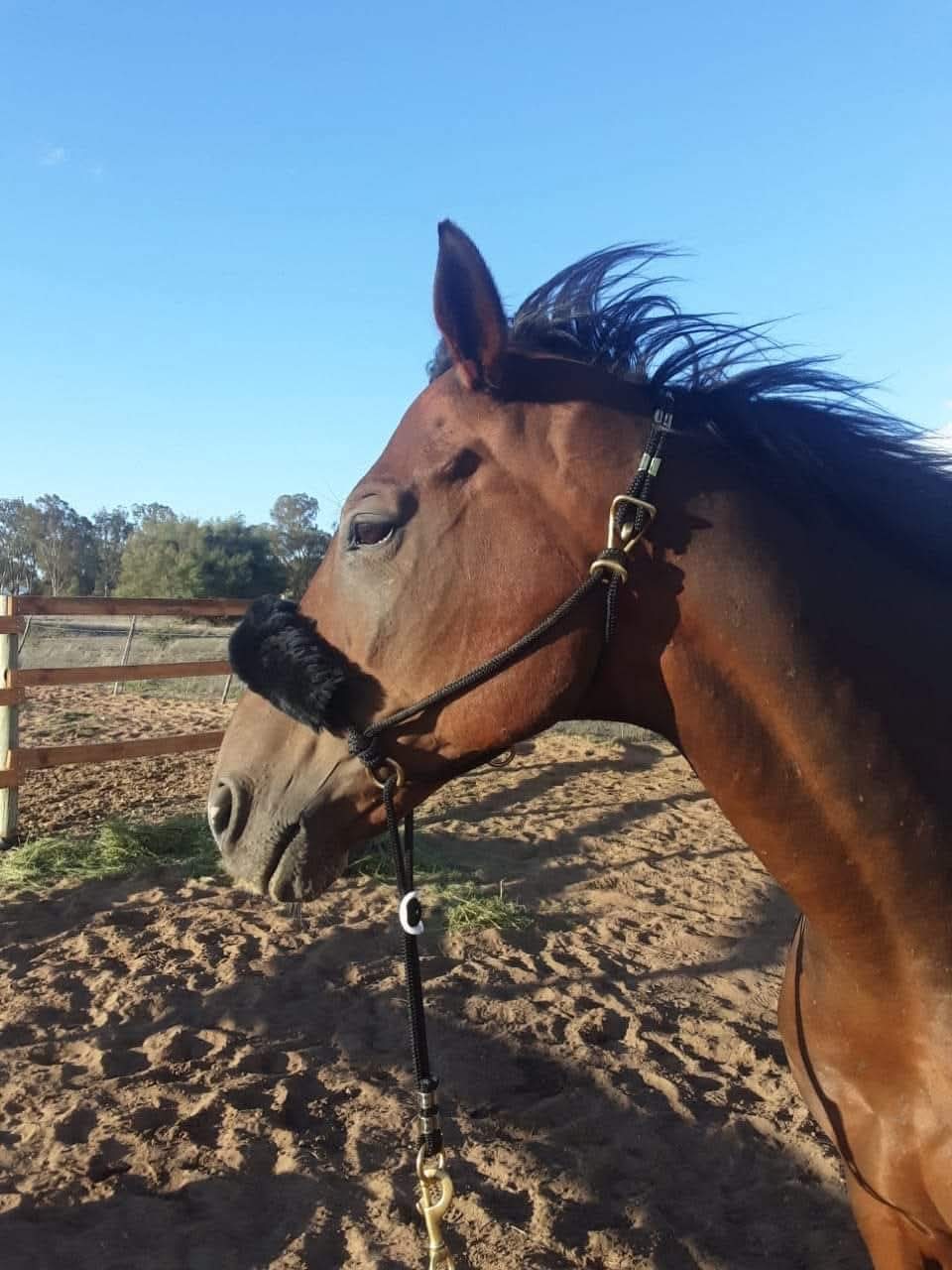
Riley’s Itch
SUPPORTING ANIMALS NATURALLY
Whether it is sweet itch in horses, seasonal skin irritation in dogs and cats, or recurring skin problems in livestock and other animals, addressing both the skin and the body as a whole may help provide more effective and lasting support.
