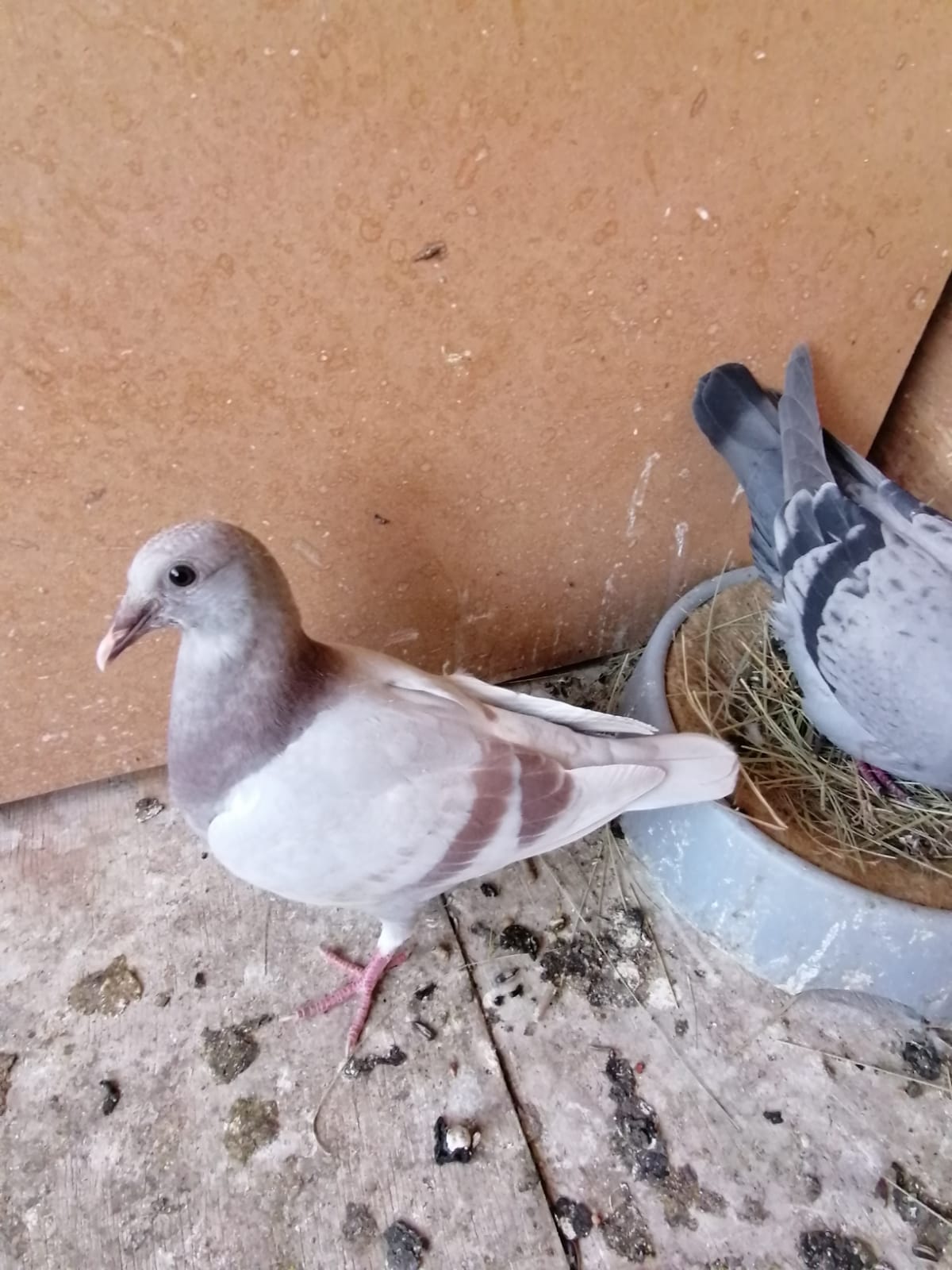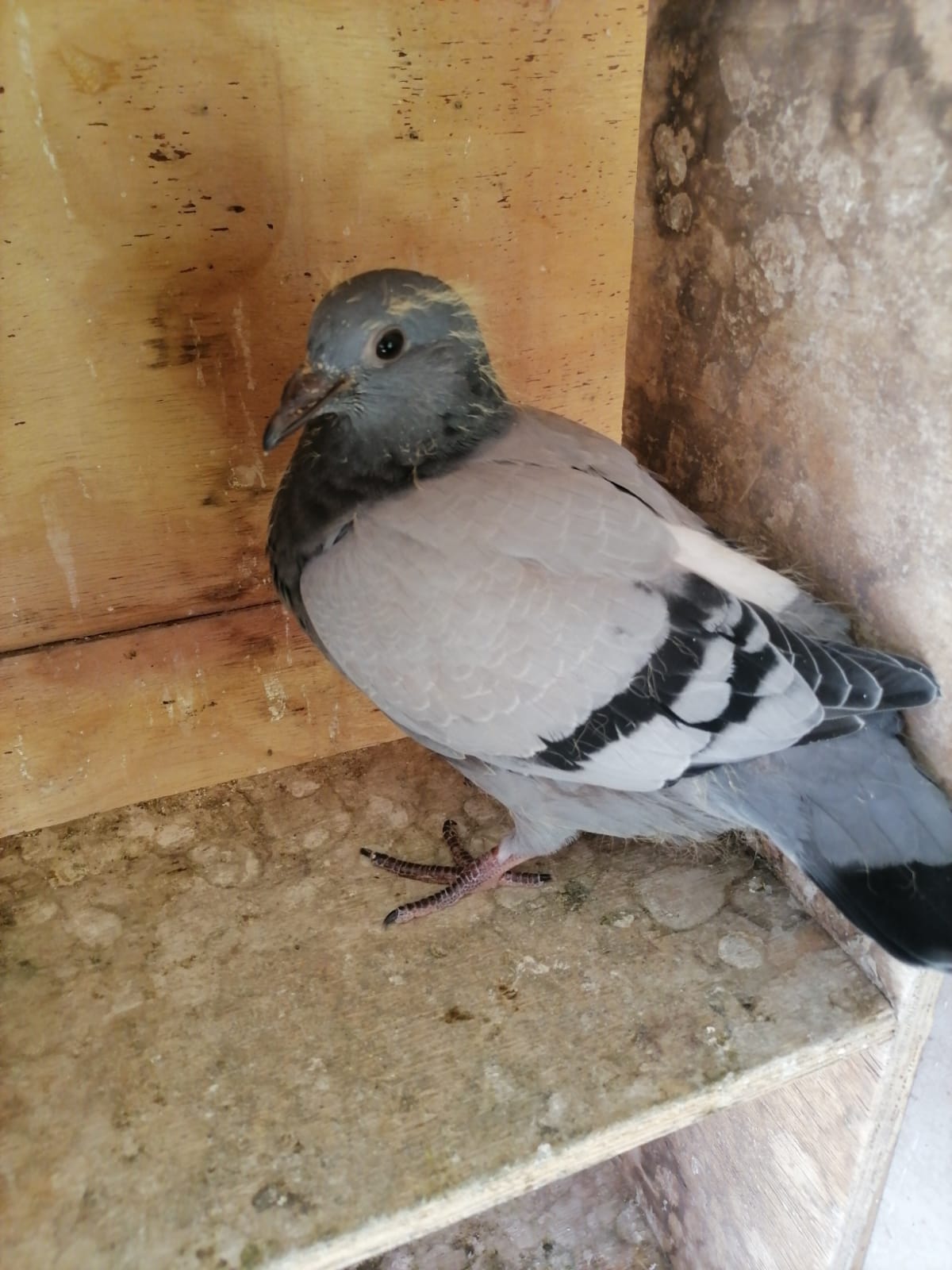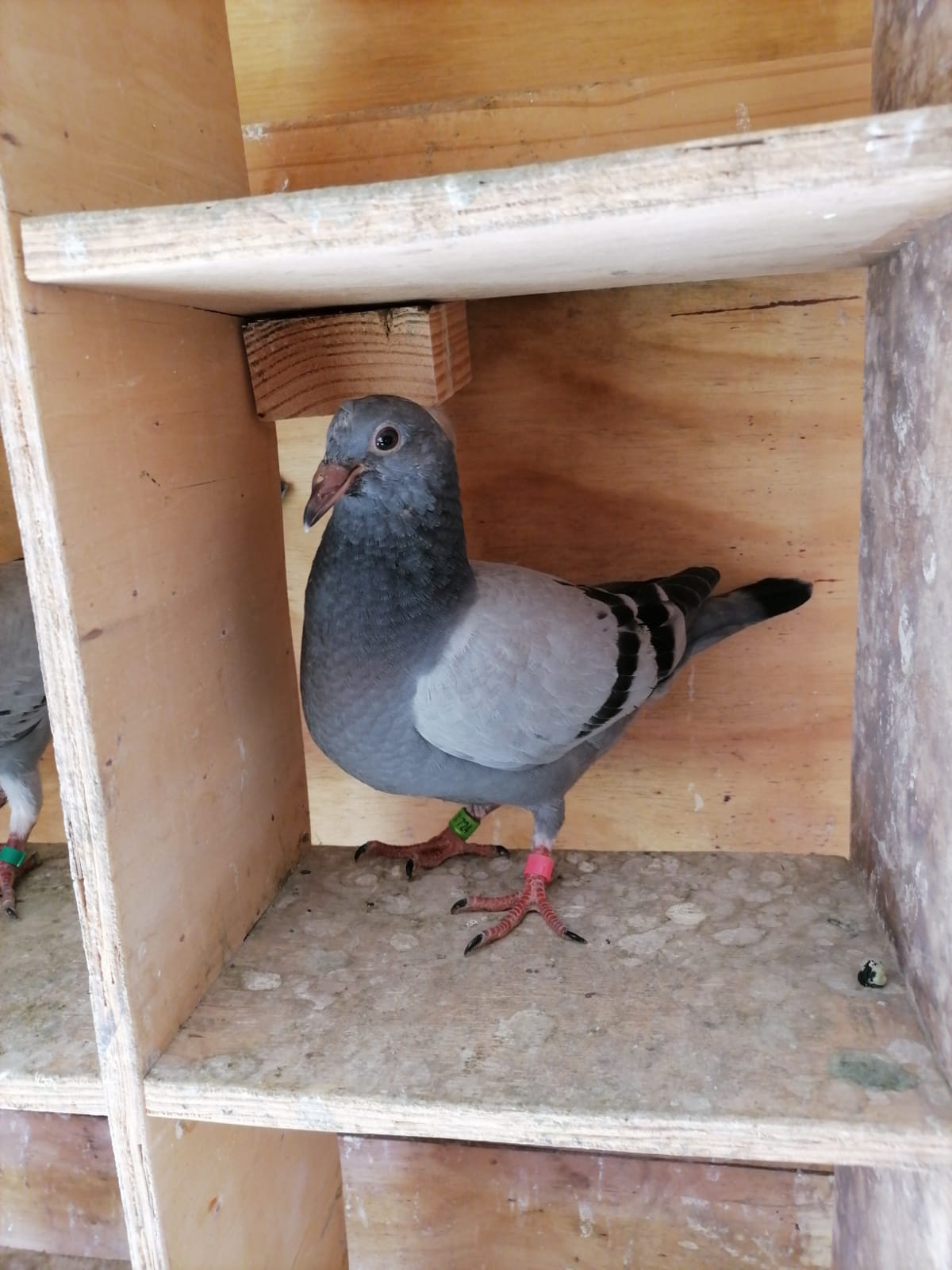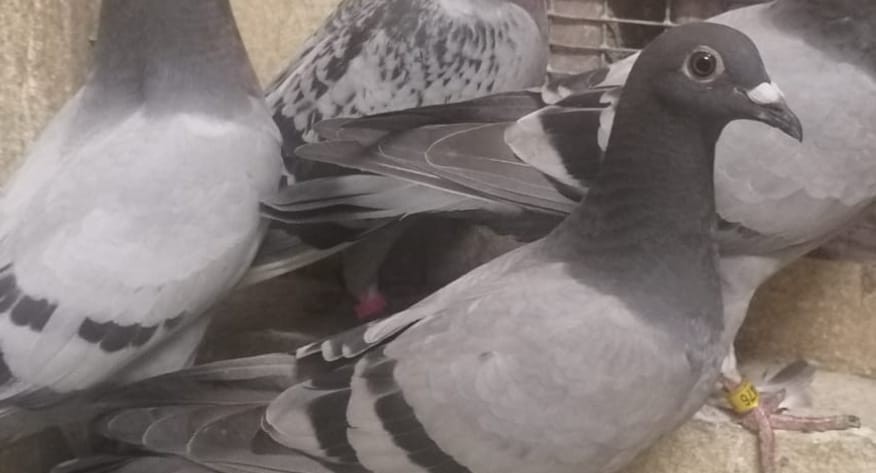
We recently sat down with Gary, our pigeon specialist in Gauteng, to chat about his experience in the racing pigeon industry and the role Vermate has played over the years.
Gary has been involved in pigeon racing since 1988 and has worked with Vermate for close to 10 years.
Last season was particularly significant for him, as it was his first full season back flying from his own loft again.
Gary explained that he started the season with a very small team of just over 60 birds, while many pigeon fanciers race with between 120 and 200 pigeons. Despite the smaller team and the demands of work, leaving early in the mornings and returning late in the afternoons, he achieved exceptional results.
One of the key things Gary highlighted was how he prefers using Vermate on the food rather than in the water.
According to him, during colder weather pigeons do not drink enough water to take in sufficient product, but they will continue eating consistently as training and racing progress through winter. By applying Vermate to the food, he noticed consistently good results.
He spoke about the quality of feathering, the softness of the feathers, and the overall condition of the birds always remaining at a high level. Although he does use medication when necessary for issues such as coccidiosis, canker, and breathing, he always combines it with Vermate.
Gary explained that he has seen Vermate reduce the amount of medication needed during treatment cycles. While manufacturers often recommend treatments lasting between three and seven days, he found that with Vermate involved, three days is often sufficient. This has reduced his costs on pigeon products significantly.
| You can continue reading the article about this chat below or you can listen to the full interview |
A Conversation with Gary
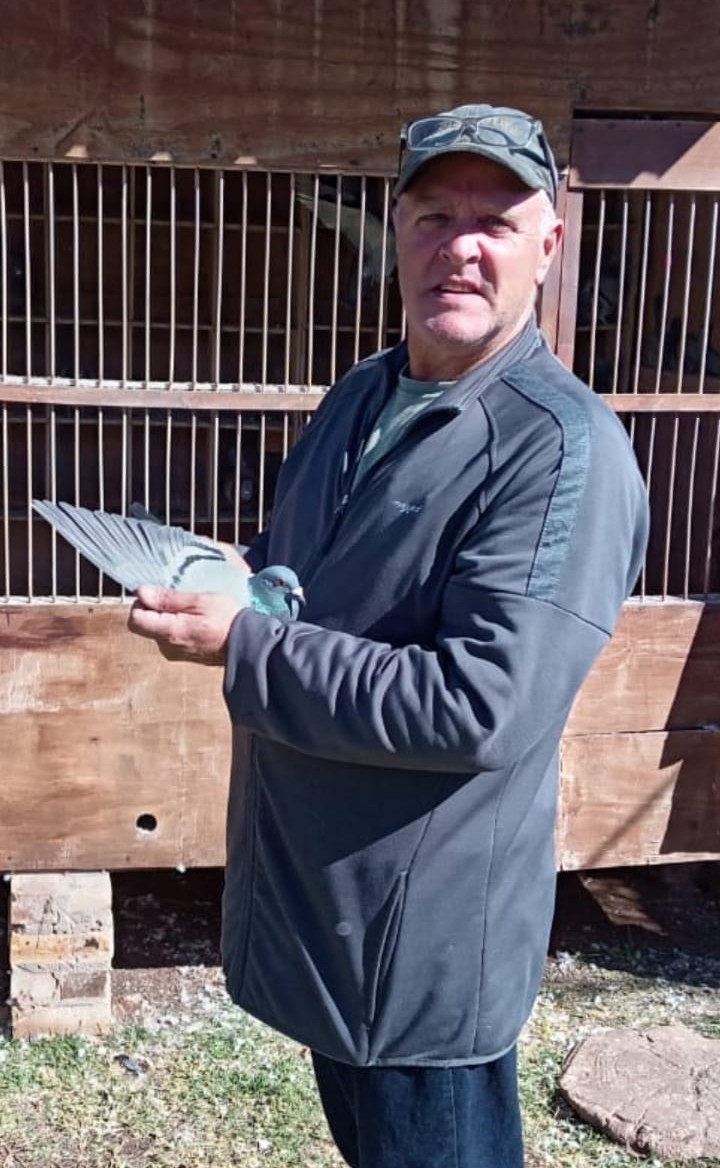
OUTSTANDING RESULTS WITH YOUNG BIRDS
During the season, Gary achieved outstanding results with his young birds, producing the best two young birds in the season up to around 500 kilometres. Even with limited time available due to work commitments, he relied more on Vermate than on a large range of products.
Another practice Gary uses is administering Vermate directly into the pigeons’ crops on Thursday nights before races. Depending on race conditions, he gives between five and ten milliliters. He has noticed better returns, fewer issues with cramping, and improved recovery in birds treated this way.
He even experimented by splitting teams, with one group receiving additional Vermate directly into the crop and another group only receiving it through feed. The birds receiving the extra Vermate consistently performed better.
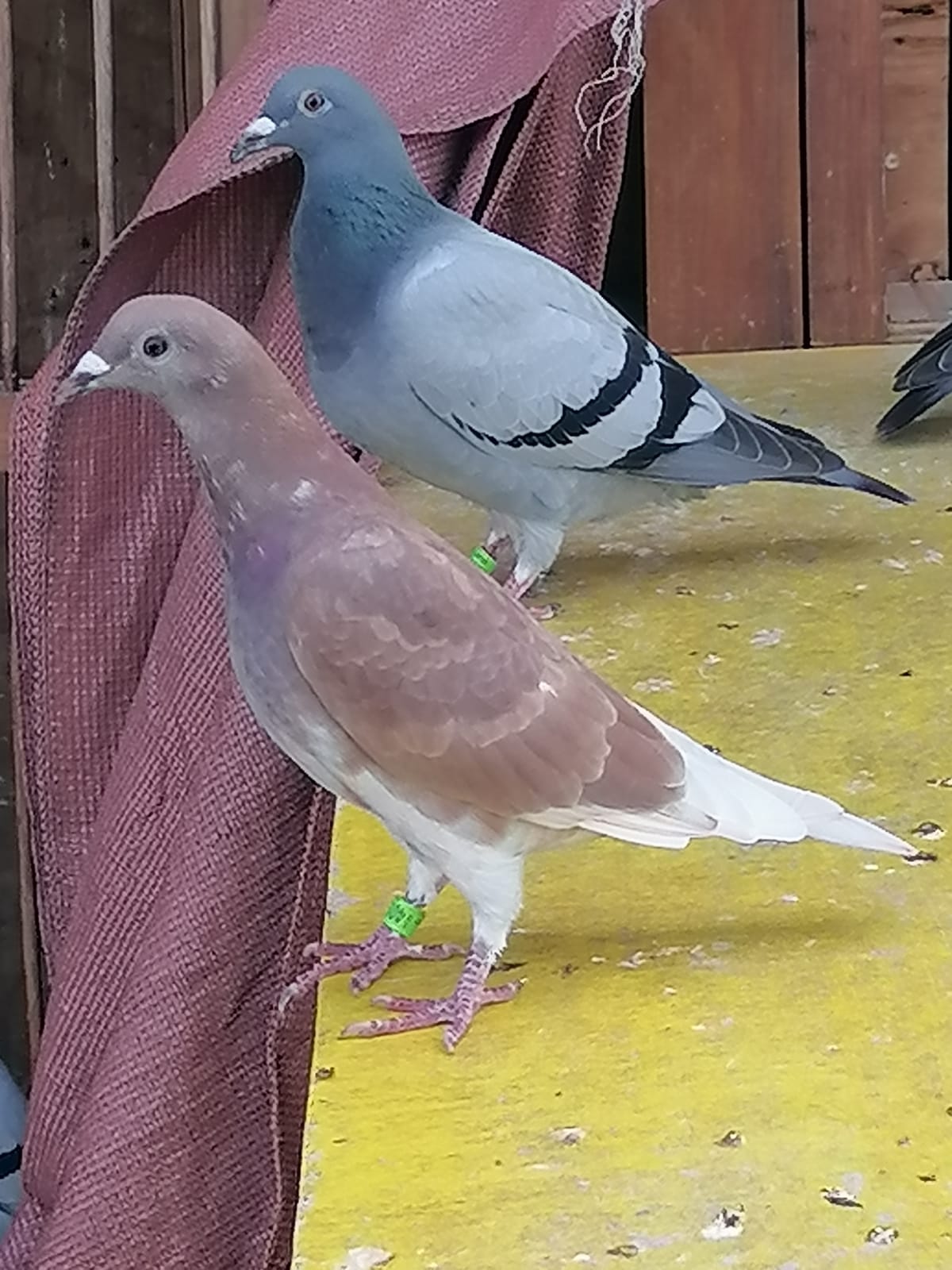
A SEASON THAT CONFIRMED THE DIFFERENCE
Gary has now had the best short-distance pigeon in his organisation for the last two seasons while using Vermate. Reflecting on the overall season, Gary finished in the top 12 of a combine with more than 100 members. He placed third in his club and 11th overall in his organisation, despite only racing up to the Derby distance of 650 kilometers.
He also won the Derby and a major young bird classic race within the organisation.
What made these results even more impressive was the size of his racing team. While many competitors basket full teams of 20 birds, and often race multiple teams totaling 60 pigeons or more, Gary frequently raced only 13 to 15 birds and still remained highly competitive. According to Gary, Vermate has consistently given him the slight edge he needs.
SKIPPING PRE-MOULT PRODUCTS WHEN USING VERMATE
For the first time ever, he also skipped using traditional pre-moult pigeon products. Despite challenging weather conditions affecting the moult, his pigeons completed the moulting process successfully on Vermate alone.
Gary also discussed pigeon losses, an issue many fanciers struggle with. This season, despite giving his pigeons only seven or eight training tosses before racing at 100 kilometers, he had not dropped a pigeon.
While many pigeon fanciers around Johannesburg experienced heavy losses due to pressure on the birds, Gary reported very few losses. Occasionally one or two birds, or even five, may return slightly behind the main pack, but overall his returns remained strong.
CALMER AND IMPROVED ORIENTATION WITH VERMATE
He believes Vermate plays a major role in this by helping pigeons stay calmer and improving their orientation.
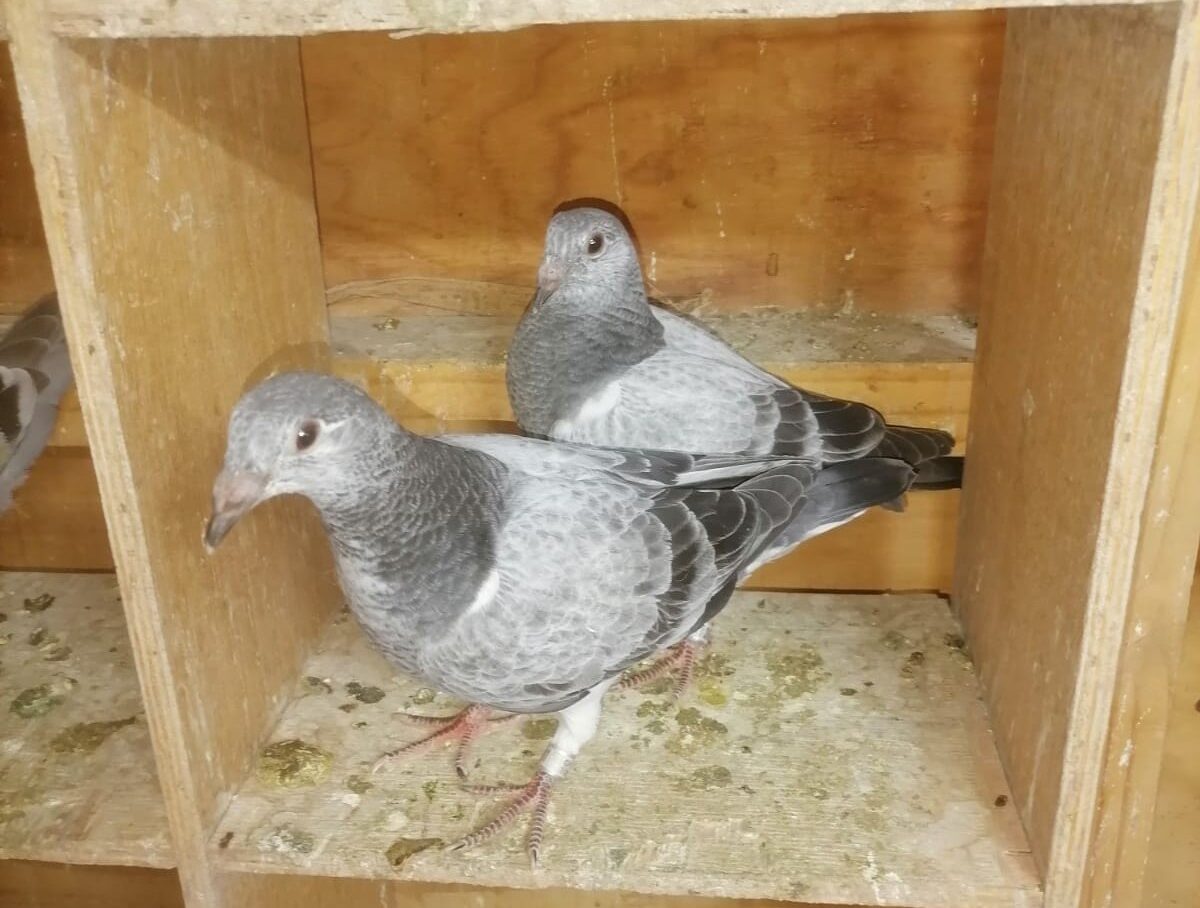
THE PROOF IS IN THE RESULTS
Gary also pointed out that within his organisation, every single fancier using Vermate was flying in the top 10. In his own club, five of the top 12 members were using Vermate, and in the combine, seven of the top 12 were using it as well, many of whom had not previously achieved those standings.
He shared experiences with one loft racing too, noting that lofts using Vermate tended to avoid the severe losses experienced by others. Gary explained that he often advises fanciers with struggling birds to administer three milliliters directly into the crop for five days. In many cases, the pigeons recover and return to training successfully.
Over the years, Gary has watched Vermate grow steadily within the pigeon racing industry, with new clients joining every season and achieving strong results.
He spoke about a young fancier from Kimberley who started racing for the first time last year. After beginning on Vermate in February, the newcomer won his club’s first race of the season and ultimately finished in the top five overall, despite having no prior racing experience.
Another example Gary shared was Clive Frost, who only competes in one loft races. Clive keeps around 10 pairs of pigeons and relies exclusively on Vermate. Before pigeons are shipped to one loft races, he administers five milliliters into the crop daily for five days.
According to Clive, he experiences very few losses.
BABIES RAISED ON VERMATE DEVELOP BETTER
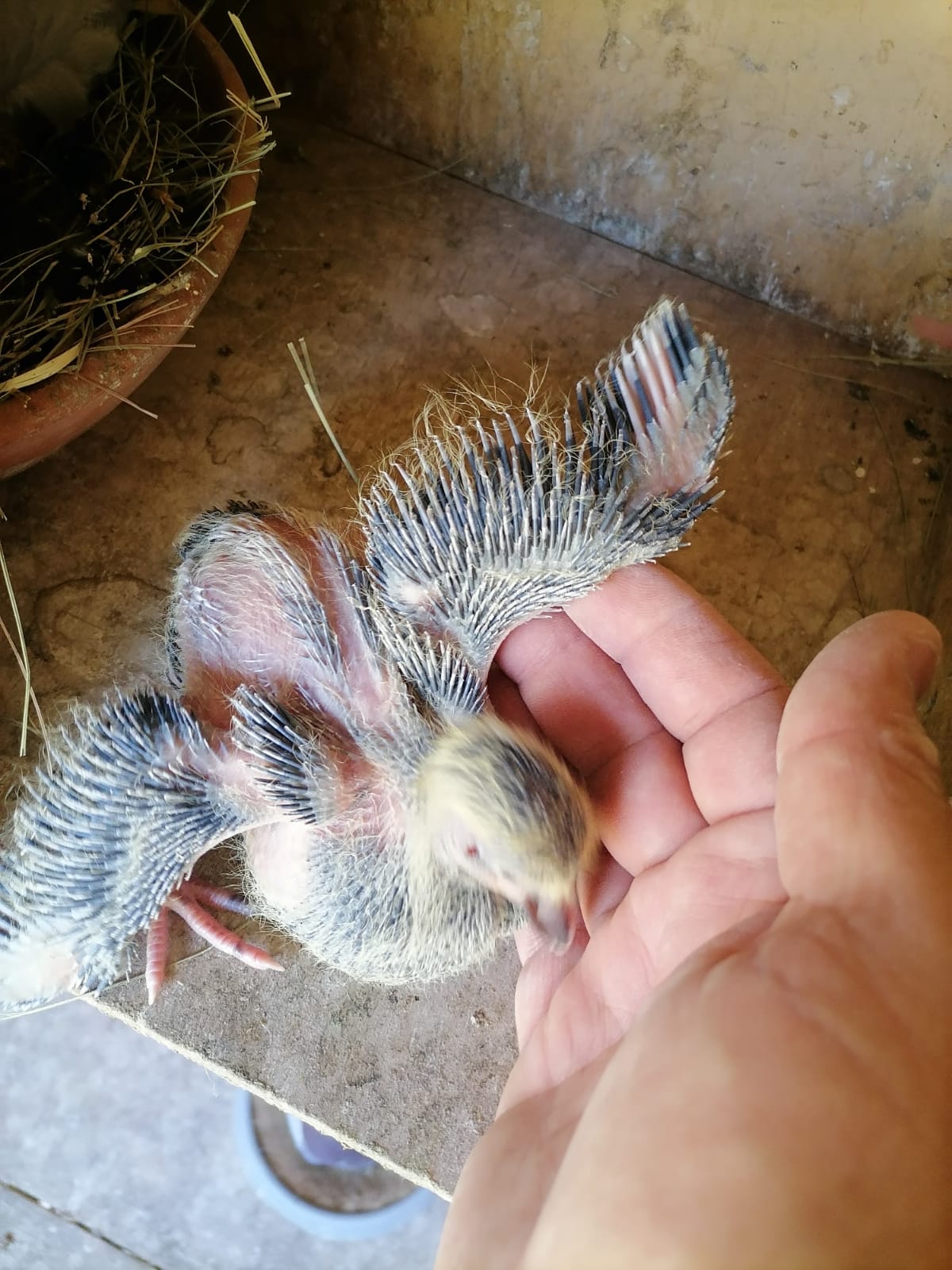
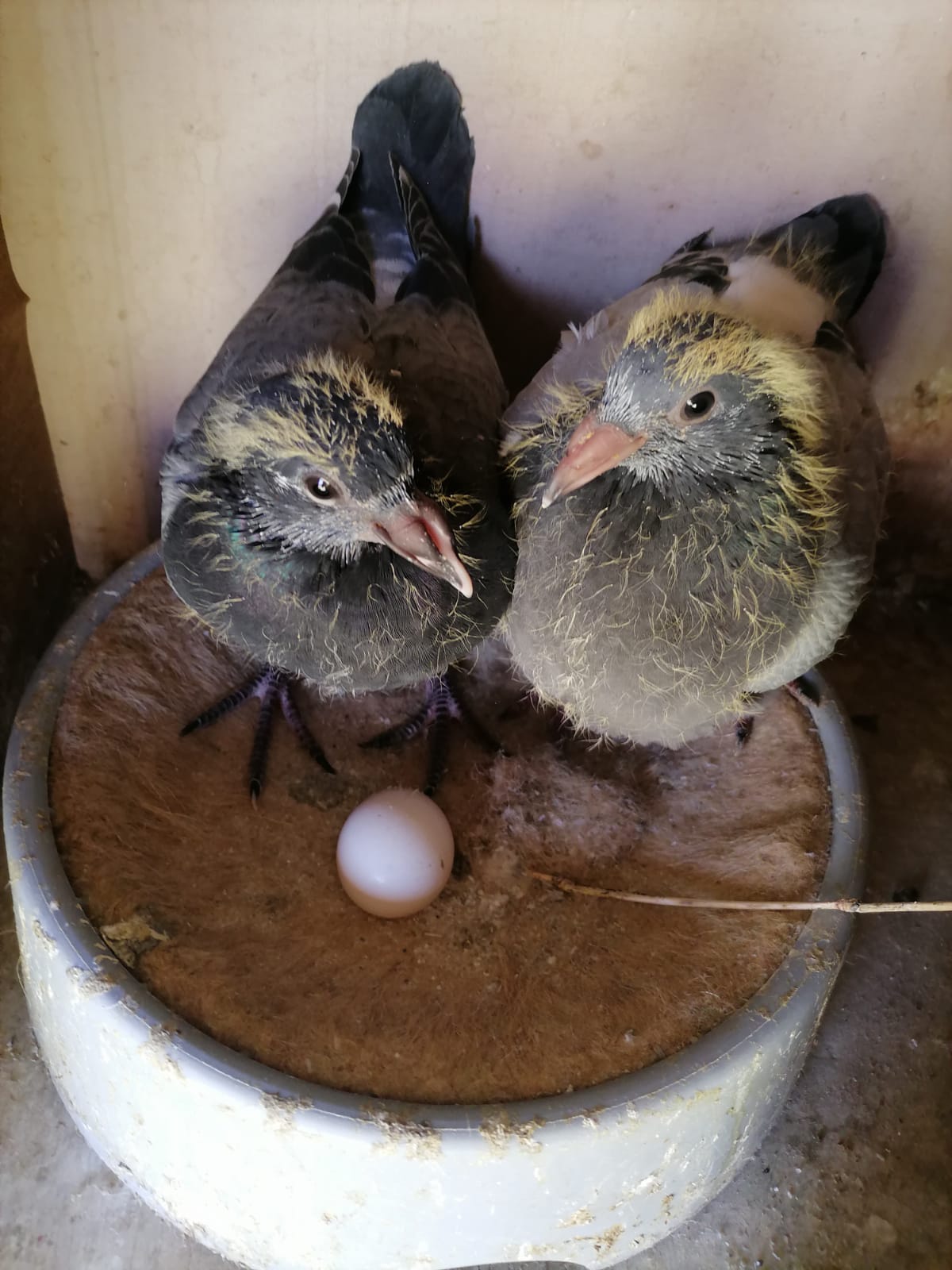
Gary also mentioned feedback from fanciers during the off-season, who noticed that babies raised on Vermate developed into healthier, larger, and stronger pigeons than usual. He explained that young birds often outperform older pigeons because of their superior muscle development and recovery. In the last three years alone, Gary has had two young birds outperform large numbers of older pigeons.
One of his young pigeons became the best sprint pigeon in South Africa and ranked 45th in the world last year. Gary firmly believes success is not about quantity, but about quality and proper management.
He explained that a small team of healthy pigeons can compete successfully against much larger teams. One thing he emphasised repeatedly was that he does not struggle with sick pigeons.
This season, his team of just 33 birds must race for 15 consecutive weeks. While many fanciers would lose half of a team that size, Gary expects to lose very few. As the conversation came to a close, Gary emphasized the importance of sharing knowledge and helping other fanciers improve their performance. With nearly a decade of experience working with Vermate in pigeon racing, he believes both the product and the lessons learned along the way can help many more pigeon fanciers achieve better results in the future.